
As students prepare for life beyond graduation, one question often comes up: Do internships really give college students a career advantage, or do they simply add another line to a resume?
It is a valid concern.
With employers increasingly looking beyond academic scores, students are becoming more aware that classroom learning alone may not always be enough. Recruiters often look for practical understanding, adaptability, and workplace readiness—qualities internships can help nurture.
At the same time, some students wonder whether internships truly make a difference or whether they are overrated.
The answer is more nuanced than a simple yes or no.
Internships, when approached seriously, can do much more than provide short-term exposure. They can help students develop professional skills, understand workplace expectations, explore career interests, and sometimes even improve placement opportunities before graduation.
This guide explores whether internships genuinely create a career advantage, what students can gain from them, and why internship experience is receiving growing importance in higher education.
Quick Answer
Yes, internships can give college students a meaningful career advantage. They often help students build practical skills, gain industry exposure, strengthen resumes, improve confidence, and become better prepared for placements. While internships alone do not guarantee career success, they can provide a valuable edge when combined with academics, skill development, and career planning.
Why Internships Matter More Than Ever Today
The role of internships has evolved significantly.
Earlier, internships were often seen as optional experiences. Today, they are increasingly viewed as an important part of career preparation.
Why their importance has grown:
- Employers increasingly value practical exposure alongside academic qualifications
- Internships help bridge the gap between theory and workplace realities
- Early industry exposure can improve professional confidence
- Students gain a clearer understanding of career paths before graduating
- Skills are often assessed beyond classroom performance.
Many of the competencies developed through internships align with future workplace skills highlighted by the World Economic Forum.
In many ways, internships have become a transition space between college and career.
How Internships Can Give Students a Career Advantage
1. Skill Development
One of the strongest advantages of internships is skill-building.
Students may strengthen:
- Communication skills
- Team collaboration
- Problem-solving ability
- Time management
- Professional conduct
These are often difficult to fully develop through classroom learning alone.
Explore some top future-proof skills.
2. Industry Exposure
Internships expose students to how organizations actually function.
Students may observe:
- Workplace processes
- Team structures
- Client interactions
- Business decision-making
- Real-world challenges
That exposure often makes academic concepts far more meaningful.
3. Resume Strength
A resume with relevant internship experience often communicates initiative.
It can signal that a student has:
- Practical exposure
- Industry awareness
- Hands-on learning
- Career seriousness
Even a short internship can add value when it involves meaningful learning.
4. Better Placement Readiness
Many students discover internships help them feel more prepared for placements.
Why?
Because internships often improve:
- Interview confidence
- Professional vocabulary
- Problem-solving examples to discuss in interviews
- Understanding of job expectations
That can make a noticeable difference.
5. Networking Opportunities
Another overlooked advantage is professional networking.
Internships may help students connect with:
- Mentors
- Managers
- Professionals
- Future references
- Potential recruiters
Sometimes opportunities begin with relationships.
Internship Benefits at a Glance
| Internship Benefit | Career Impact |
|---|---|
| Practical Skills | Improves employability |
| Industry Exposure | Better career awareness |
| Resume Value | Stronger profile |
| Networking | Professional opportunities |
| Work Experience | Placement advantage |
Do Employers Value Internship Experience?
In many cases, yes.
Employers often appreciate candidates who have seen some version of real work environments.
Internship experience may suggest a student has begun developing:
- Workplace awareness
- Responsibility
- Applied learning
- Professional maturity
Academic performance matters.
But practical exposure can sometimes strengthen what academics begin.
Experience often strengthens what academic qualifications begin.
That is why internship exposure can matter in recruitment conversations. Studies and internship research and employer hiring insights suggest employers often value practical exposure alongside academics.
Internships vs No Internships
| Area | With Internship | Without Internship |
|---|---|---|
| Practical Exposure | High | Limited |
| Resume Strength | Stronger | Basic |
| Interview Readiness | Better | Moderate |
| Industry Awareness | Higher | Lower |
This does not mean students without internships cannot succeed.
It simply shows internships may offer additional preparation.
Explore skills vs studies, which can matter more in 2026
What Students Can Gain Beyond Jobs
One misconception is that internships only matter for getting jobs.
Often, students gain much more.
Confidence
Real work environments can build self-belief.
Professional Behavior
Students learn workplace etiquette, accountability, and discipline.
Career Clarity
Sometimes an internship confirms an interest.
Sometimes it reveals a different direction.
Both are valuable.
Real-World Learning
Students often understand practical realities textbooks do not fully capture.
Discovering Interests
Many career paths are discovered through exposure.
That alone can be transformative.
When Internships Can Create the Most Advantage
While internships can be valuable generally, they may be especially helpful in certain situations.
Before Placements
Internships can strengthen placement readiness.
During Summer Breaks
Break periods often create opportunities for skill-building.
In Skill-Based Fields
Fields such as business, marketing, IT, finance, and media often reward practical exposure.
For Students Exploring Careers Early
Internships can help students test career interests before making long-term decisions.
That can prevent costly misalignment later.
Do Internships Alone Guarantee Career Success?
No.
And it is important to say that honestly.
Internships can help.
They do not guarantee outcomes.
Career growth still depends on many factors:
- Skills
- Academic foundation
- Communication abilities
- Consistency
- Career planning
- Adaptability
An internship is often an advantage.
It is not a substitute for sustained effort.
That distinction matters.
How Students Can Choose the Right Internship
Not every internship creates equal value.
Choosing well matters.
Look for Learning, Not Just Brand Name
A smaller internship with real learning may be more valuable than a big name with limited involvement.
Choose Relevant Roles
Look for internships aligned with your interests or future career direction.
Prefer Skill-Building Opportunities
Prioritize roles where you can actually learn.
Consider Mentorship
An internship with guidance can often be far more impactful.
Focus on quality, not only prestige.
Role of Colleges in Supporting Internship Exposure
Colleges can play an important role in helping students access meaningful internship opportunities.
Support may include:
- Internship guidance
- Industry tie-ups
- Career counseling
- Practical learning initiatives
- Exposure through workshops and projects
Institutions that emphasize applied learning often help students move beyond theoretical education.
In education hubs like Indore, students often explore colleges such as GSB College for their growing focus on practical learning, industry exposure, and career-oriented academic models.
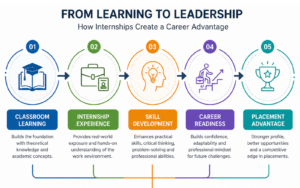
Classroom Learning → Internship Experience → Skill Development → Career Readiness → Placement Advantage
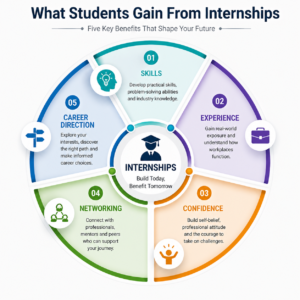
What Students Gain From Internships
Frequently Asked Questions
Do internships really help students get jobs?
They can improve employability and placement readiness, though outcomes depend on many factors.
Are internships important before placements?
They can be valuable because they often strengthen resumes and interview confidence.
Can internships improve employability?
Yes, especially when they help students develop relevant skills and practical understanding.
Do paid and unpaid internships both add value?
Both may provide learning value, depending on the quality of exposure.
How many internships should a student do in college?
There is no fixed number, but meaningful internships often matter more than quantity.
Are internships more important than grades?
They serve different purposes. Strong academics and practical exposure often complement each other.
Conclusion
So, do internships give college students a career advantage?
For many students, yes.
Internships can help develop practical skills, improve confidence, strengthen employability, and provide exposure that classrooms alone may not always offer.
Their value often goes beyond jobs.
They can shape awareness. Build readiness. Create direction.
That said, internships work best when combined with strong academics, skill development, and thoughtful career planning.
In many cases, they are not just temporary experiences.
They can become early stepping stones toward stronger professional outcomes.
And that is why internships often remain more than resume fillers—
They can be genuine career advantages.