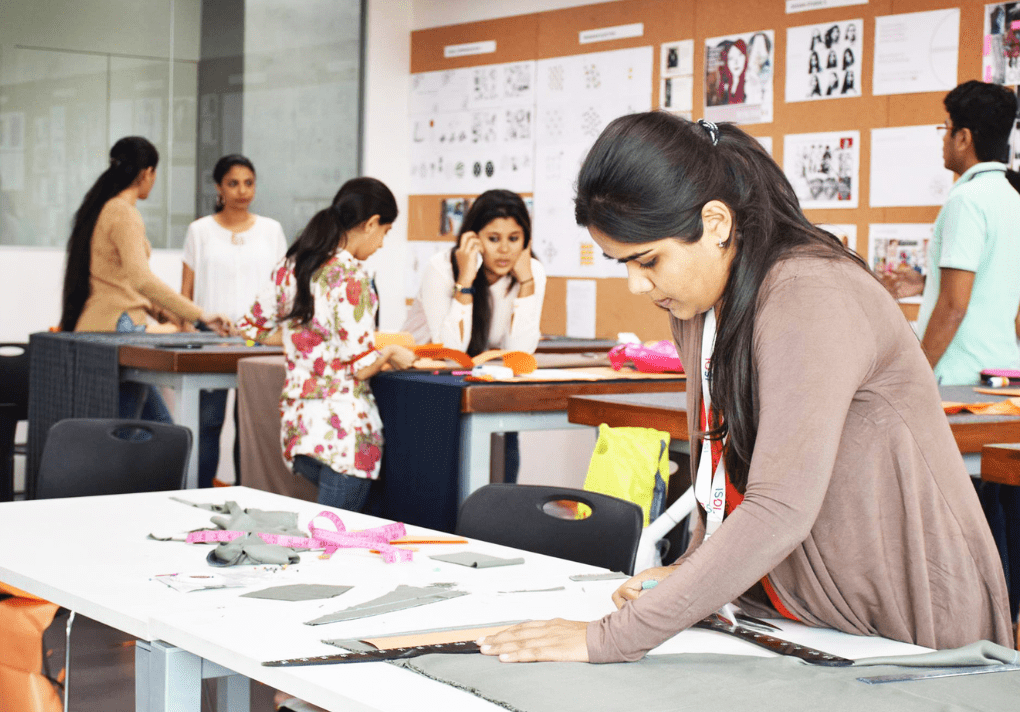
“I love designing clothes, but can I really build a stable career after a diploma in fashion design?”
This is one of the most common questions students ask before choosing this creative field. Fashion today is no longer limited to glamorous runway shows or celebrity styling. It is a dynamic industry that blends creativity, business strategy, digital media, sustainability, and global retail.
With the rapid growth of online fashion brands, influencer marketing, and direct-to-consumer labels, skilled fashion professionals are in demand across multiple sectors. A diploma in fashion design provides practical knowledge, technical skills, and industry exposure that can open the door to diverse career opportunities.
In this blog, we will explore realistic job roles, salary expectations, business opportunities, higher study options, and long-term growth potential after completing a diploma in fashion design.
Quick Overview: What You Can Do After a Diploma in Fashion Design
After completing a diploma in fashion design, students can explore careers as fashion designers, stylists, merchandisers, or textile designers. They can also work in apparel manufacturing and export companies. Those with entrepreneurial goals may start their own boutique or online fashion brand. Additionally, pursuing higher education can help enhance career growth and specialization.
Now, let’s understand these options in detail.
What Does a Diploma in Fashion Design Prepare You For?
A diploma in fashion design is primarily skill-oriented. Unlike purely theoretical programs, diploma courses focus on practical exposure and industry readiness.
Students typically learn:
-
Garment construction and pattern making
-
Fabric knowledge and textile studies
-
Fashion illustration and sketching
-
Trend forecasting
-
Fashion marketing basics
-
Computer-Aided Design (CAD) software
-
Portfolio development
By the end of this fashion design course, students usually build a portfolio that showcases their creativity and technical capability. This portfolio becomes a key tool for internships, job applications, or launching an independent venture.
Top Future Career Options After a Diploma in Fashion Design
As highlighted in recent Indian textile and apparel market statistics, the sector continues to generate employment across multiple verticals, including design, merchandising, and retail management.
1. Fashion Designer
One of the most popular career paths is becoming a fashion designer. As an entry-level designer, you may start as an assistant designer in a fashion house, apparel brand, or export company.
Your responsibilities may include:
-
Creating design sketches
-
Selecting fabrics and materials
-
Assisting in garment production
-
Working with tailors and production teams
With experience and a strong portfolio, you can move toward launching your own label or working independently.
Average Salary in India: ₹2.5–6 LPA (higher with experience and brand value)
2. Fashion Stylist
A fashion stylist works with individuals, brands, or media houses to create visually appealing looks. This career is ideal for students who enjoy coordinating outfits and understanding fashion trends.
Stylists may work in:
-
Photoshoots
-
Advertising campaigns
-
Fashion shows
-
Personal styling for clients
-
Influencer collaborations
With the rise of social media platforms, styling has become a growing opportunity.
Average Salary: ₹2–5 LPA (freelancers can earn more based on projects)
3. Apparel Merchandiser
An apparel merchandiser acts as a bridge between designers, production teams, and buyers. This role is more business-oriented and suitable for students who enjoy coordination and management.
Responsibilities include:
-
Managing production timelines
-
Communicating with buyers
-
Ensuring quality standards
-
Overseeing shipment processes
This role is common in export houses and large garment manufacturing units.
Average Salary: ₹3–6 LPA
4. Textile Designer
Textile designers focus on creating fabric patterns, prints, and surface designs. They work closely with textile mills and fashion brands.
This role requires:
-
Strong understanding of fabrics
-
Pattern development skills
-
Knowledge of color theory
With sustainability becoming a major trend, textile designers specializing in eco-friendly fabrics are increasingly valued.
Average Salary: ₹2.5–5 LPA
5. Costume Designer
Costume designers work in:
-
Film industry
-
Theatre productions
-
Television shows
-
OTT platforms
This role requires creativity, research skills, and the ability to design outfits that reflect a character’s personality and story.
Income varies widely depending on projects and experience.
6. Boutique Owner or Fashion Entrepreneur
Many diploma holders choose entrepreneurship. Starting a boutique or online brand is now more accessible due to digital platforms.
You can:
-
Launch a custom tailoring boutique
-
Sell via Instagram or e-commerce websites
-
Focus on bridal wear or ethnic wear
-
Explore sustainable fashion niches
Success in this field depends on branding, quality, and consistent marketing.
Income potential varies but can grow significantly with business expansion.
Salary After Diploma in Fashion Design in India
Here is an approximate salary overview:
| Job Role | Average Salary (Per Year) |
|---|---|
| Fashion Designer | ₹2.5–6 LPA |
| Fashion Stylist | ₹3–8 LPA |
| Apparel Merchandiser | ₹3–6 LPA |
| Textile Designer | ₹2.5–5 LPA |
| Assistant Designer | ₹2–4 LPA |
Note: Salaries vary depending on city, experience, skill level, and portfolio quality. In creative fields like fashion, income growth is strongly performance-based.
Can You Start Your Own Fashion Brand After a Diploma?
Yes, many diploma graduates start small businesses. With the rise of digital marketing and social media, launching a fashion label is more achievable than ever.
Steps may include:
-
Identifying a niche (bridal, streetwear, ethnic wear)
-
Building a unique brand identity
-
Creating a strong portfolio
-
Using Instagram for promotion
-
Collaborating with influencers
While entrepreneurship carries risks, it also offers long-term financial and creative independence.
Higher Studies Options After Diploma in Fashion Design
If you wish to enhance your qualifications, you can pursue:
-
Bachelor’s degree in Fashion Design
-
Advanced Diploma in Fashion Technology
-
Certification in Fashion Communication
-
Courses in Luxury Brand Management
-
Fashion Marketing programs
Higher education can help you move into leadership roles, teaching positions, or specialized design fields.
Skills That Increase Career Growth in Fashion
Success in fashion design depends heavily on skills. Building expertise through structured fashion skill training programs and industry exposure can significantly enhance long-term career growth. Important skills include:
-
Strong design and illustration ability
-
Fabric and textile knowledge
-
Trend analysis and forecasting
-
CAD software proficiency
-
Communication and client-handling skills
-
Branding and marketing awareness
Continuous learning and upgrading skills significantly improve career growth.
Is a Diploma in Fashion Design a Good Career Choice?
A diploma in fashion design can be a good career option after 12th for students who:
-
Are creative and detail-oriented
-
Enjoy hands-on practical work
-
Are willing to build a strong portfolio
-
Can adapt to industry trends
However, it is important to understand that fashion is a competitive industry. Growth depends on dedication, networking, skill development, and consistency.
Unlike traditional desk jobs, fashion careers require continuous creativity and innovation. Those who are passionate and committed often find long-term success.
A Practical Career Roadmap After Diploma
Here’s a realistic path many students follow:
Year 1: Internship + Portfolio Development
Year 2: Assistant Designer or Junior Stylist Role
Year 3–5: Independent Projects or Boutique Launch
Beyond 5 Years: Brand Establishment or Senior Design Role
This structured progression helps build experience and credibility.
Frequently Asked Questions
1. What jobs can I get after a diploma in fashion design?
You can work as a fashion designer, stylist, merchandiser, textile designer, or start your own fashion business.
2. What is the starting salary after a diploma in fashion design?
Starting salaries typically range between ₹2–4 LPA depending on skills and location.
3. Is fashion design a stable career?
Yes, but stability depends on skill level, networking, and adaptability to market trends.
4. Can I start my own boutique after completing a diploma?
Yes, many students start boutiques or online brands after gaining some practical experience.
5. Is a diploma enough, or should I pursue a degree?
A diploma is sufficient for entry-level roles, but higher education can enhance career prospects.
Conclusion
A diploma in fashion design opens doors to diverse career paths from designing and styling to merchandising and entrepreneurship. The fashion industry rewards creativity, practical skills, and innovation.
While the field is competitive, students who focus on building a strong portfolio, gaining hands-on experience, and continuously upgrading their skills can build a successful and fulfilling career.
If you are passionate about creativity and ready to combine art with business, a diploma in fashion design can be the foundation of a promising future in the fashion industry. Choosing the right institution plays a crucial role in shaping that journey, and pursuing this course at GSB College can provide the structured training, practical exposure, and academic support needed to build a confident start in the fashion world.