
Introduction
When people think about the fashion industry, they often imagine designers creating stylish garments or glamorous runway shows. However, fashion is not only about clothing design. Behind every outfit is a fabric that gives it texture, color, and character.
This is where textile designers play a crucial role. They create the fabrics, patterns, and textures used in fashion products. Their work shapes how garments look and feel, making textile designers an important part of the fashion industry. According to the National Institute of Fashion Technology, textile design involves creating innovative fabric structures and patterns.
In this article, we will explore the role of a textile designer in the fashion industry, their key responsibilities, the skills required for this career, and the opportunities available for aspiring professionals.
Quick Overview
A textile designer is the person who designs the fabrics used in clothing. They create patterns, prints, and textures that give garments their unique look. While fashion designers design the clothing style, textile designers design the fabric that makes those clothes visually interesting and distinctive.
What Is Textile Design?
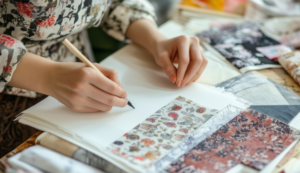
Textile design is the creative and technical process of designing patterns, textures, and structures for fabrics. These fabrics are then used in a variety of industries including fashion, interior design, home furnishings, and industrial manufacturing.
Textile designers work with colors, materials, weaving techniques, and digital tools to create unique fabric designs. Their work often determines how a garment will look, feel, and function.
Textile design is used in several areas such as:
-
Clothing and fashion garments
-
Home furnishings like curtains, cushions, and bedding
-
Accessories such as scarves and bags
-
Upholstery fabrics used in furniture
-
Technical textiles used in specialized industries
Textile Design Definition
| Term | Meaning |
|---|---|
| Textile Design | The art and process of creating patterns, textures, and structures for fabrics used in fashion and interior design |
This discipline combines creativity with technical knowledge of fabrics and production techniques, making it one of the most fascinating areas of the design industry.
Why Textile Designers Are Important in the Fashion Industry

Textile designers play a vital role in shaping the visual identity of fashion products. While fashion designers focus on garment silhouettes and styles, textile designers ensure that the fabrics used in those garments are unique and visually appealing.
One of their most important contributions is the creation of distinctive fabric patterns. These patterns often become signature elements of fashion collections. Many global fashion brands rely heavily on exclusive textile designs to stand out in the competitive fashion market.
Textile designers also influence fashion trends. The colors, textures, and prints introduced by textile designers often inspire seasonal fashion collections. Their research into materials and fabric innovations helps brands stay ahead of industry trends.
Another important aspect of their role is collaboration. Textile designers frequently work with fashion designers, manufacturers, and production teams to ensure that their fabric designs can be produced efficiently and maintain quality standards.
Luxury fashion brands, in particular, often develop custom textile patterns that define their identity. These unique fabrics become a key part of the brand’s aesthetic and market appeal.
Key Responsibilities of a Textile Designer
A textile designer performs a variety of tasks that combine creativity with technical knowledge. Their responsibilities extend from concept development to fabric production.
Some of the major responsibilities include:
-
Designing original fabric patterns and prints
-
Selecting suitable colors, textures, and materials for fabrics
-
Creating digital textile designs using specialized design software
-
Researching global fashion and color trends
-
Collaborating with fashion designers and manufacturers
-
Developing fabric samples and prototypes
-
Ensuring the final fabric design is suitable for mass production
In many cases, textile designers also experiment with new materials and innovative techniques to develop fabrics that are both stylish and functional.
Types of Textile Design in the Fashion Industry
Textile design is a diverse field with multiple specializations. Each type of textile design focuses on a different aspect of fabric development.
Print Design
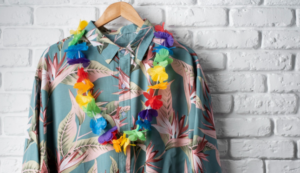
Print design involves creating decorative patterns that are printed onto fabric surfaces. These prints can range from floral motifs to geometric patterns and abstract designs.
Weave Design
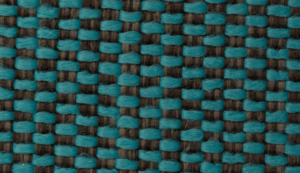
Weave design focuses on the structure of the fabric itself. Textile designers develop patterns by arranging threads in specific weaving techniques to create unique textures and visual effects.
Knit Design
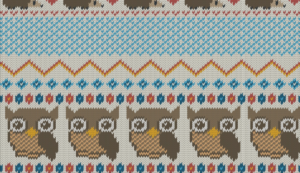
Knit design is used to create fabrics made from interlocking loops of yarn. This technique is commonly used in sweaters, sportswear, and stretchable garments.
Surface Design
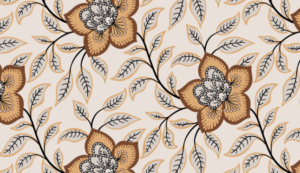
Surface design includes decorative techniques such as embroidery, dyeing, and printing that enhance the visual appeal of fabrics.
Each of these design approaches contributes to the diversity and creativity seen in the fashion industry.
Skills Required to Become a Textile Designer
A successful textile designer must possess a combination of creative, technical, and digital skills.
Creative Skills
Creativity is essential in textile design. Designers must be able to develop innovative patterns, experiment with color combinations, and create visually appealing designs.
Technical Skills
Understanding fabric construction and textile materials is equally important. Designers must know how different fibers behave and how fabrics are produced.
Digital Skills
Modern textile design relies heavily on digital tools. Software such as Adobe Illustrator and textile CAD programs are widely used to create and refine fabric patterns.
Soft Skills
In addition to technical expertise, textile designers must have strong soft skills. Attention to detail, trend analysis, and the ability to collaborate with teams are all important qualities in this profession.
Tools and Software Used by Textile Designers
Technology has significantly transformed textile design. Designers now use advanced digital tools to create complex patterns and simulate fabrics before production.
| Tool | Purpose |
|---|---|
| Adobe Illustrator | Creating vector-based textile patterns |
| Photoshop | Editing and refining fabric designs |
| CAD Software | Developing digital textile structures |
| Procreate | Creating digital sketches and artwork |
These tools allow designers to experiment with designs quickly and produce high-quality textile patterns efficiently.
Career Opportunities for Textile Designers
Textile design offers a wide range of career opportunities across various industries. Professionals in this field can work in both fashion and non-fashion sectors.
Some common career roles include:
-
Textile Designer
-
Fabric Designer
-
Print Designer
-
Surface Pattern Designer
-
Fashion Textile Consultant
-
Textile Product Developer
Textile designers are employed in industries such as fashion brands, garment manufacturing companies, home décor businesses, export houses, and design studios.
With the growing demand for creative fabrics and sustainable materials, the need for skilled textile designers continues to increase globally.
Salary of a Textile Designer in the Fashion Industry
The salary of a textile designer depends on factors such as experience, skill level, and the organization they work for.
| Experience | Average Salary |
|---|---|
| Entry Level | ₹2.5 – ₹5 LPA |
| Mid-Level | ₹5 – ₹10 LPA |
| Senior Designer | ₹10+ LPA |
Designers working with well-known fashion brands or international companies often earn higher salaries due to their specialized expertise.
How to Become a Textile Designer
For students interested in this creative field, the path to becoming a textile designer is fairly structured.
First, students should complete their 12th-grade education from a recognized board. After that, they can pursue a professional course in fashion design or textile design.
During their studies, students should focus on building a strong design portfolio that showcases their creativity and technical skills. Participating in internships with fashion brands or design studios is also extremely valuable.
With experience and continuous learning, aspiring designers can gradually establish themselves in the fashion industry.
Textile Designer vs Fashion Designer
Although both professions are part of the fashion industry, their roles are different.
| Factor | Textile Designer | Fashion Designer |
|---|---|---|
| Focus | Fabric design | Garment design |
| Work | Patterns and textures | Clothing styles and silhouettes |
| Tools | Textile design software | Fashion sketching and garment construction |
While fashion designers create the structure and style of garments, textile designers provide the fabrics that bring those garments to life.
Future Scope of Textile Design
The future of textile design looks very promising. The fashion industry is constantly evolving, and new technologies are transforming how fabrics are designed and produced.
Some emerging trends in textile design include sustainable fabrics, digital textile printing, smart textiles, and eco-friendly production methods.
As the demand for innovative and sustainable fashion continues to grow, textile designers will play an increasingly important role in shaping the future of the industry.
Choosing the Right Fashion Design College
For students planning a career in textile design, selecting the right fashion design college is extremely important.
When choosing a college, students should consider:
-
Practical design training and workshops
-
Industry exposure and live projects
-
Internship opportunities with fashion brands
-
Experienced faculty and mentors
-
Strong placement support
Institutes that combine creative education with industry experience, such as programs offered at Graduate School of Fashion Design (GSFD) at GSB College, can help students build strong skills and industry-ready portfolios.
Frequently Asked Questions
What does a textile designer do in the fashion industry?
A textile designer creates fabric patterns, textures, and materials that are used in clothing, accessories, and home décor products.
Is textile design a good career?
Yes, textile design is a rewarding career for creative individuals who are interested in fashion, fabrics, and visual design.
What skills are required for textile design?
Important skills include creativity, pattern design, knowledge of fabrics, digital design skills, and trend analysis.
What is the difference between textile design and fashion design?
Textile design focuses on fabric creation, while fashion design focuses on garment design.
Can textile designers work with fashion brands?
Yes, textile designers often work closely with fashion brands to develop unique fabrics and patterns for clothing collections.
What course is required to become a textile designer?
Students can pursue a diploma or degree in fashion design or textile design to start a career in this field.
Conclusion
Textile designers are an essential part of the fashion industry. Their creativity and technical expertise bring fabrics to life, influencing the overall look and feel of fashion products.
From designing intricate patterns to experimenting with innovative materials, textile designers contribute significantly to the development of modern fashion. As the demand for creative and sustainable textiles continues to rise, this profession offers exciting opportunities for aspiring designers.
For students who are passionate about fabrics, colors, and creative design, textile design can be a fulfilling and dynamic career path within the ever-evolving fashion industry.